

Helpful information for finding, choosing and settling into SDA.
Specialist Disability Accommodation can come with a lot of acronyms, decisions and very long PDFs. Helpful? Sometimes. Relaxing? Not especially.
Finding the right home involves more than checking a vacancy list. It means understanding the home, the design, the support arrangements, the location and whether it may suit the person’s daily life.
This resource library brings together practical, evidence-based information to help residents, families and professionals make more informed decisions.


What is Specialist Disability Accommodation?
Specialist Disability Accommodation, or SDA, is housing designed for people with very high support needs or extreme functional impairment.
This plain-English guide explains what SDA is, who it may suit, how it differs from day-to-day support, and what questions to ask before making an enquiry.
Because a good SDA home should do more than meet a specification. It should work well, feel comfortable and support everyday life.

SDA, SIL and OOA: what is the difference?
SDA, SIL and OOA are often mentioned together, but they each play a different role. This article explains the difference between the home, the support and overnight assistance in plain English, so residents, families and support teams can understand who does what — with a little less acronym soup.
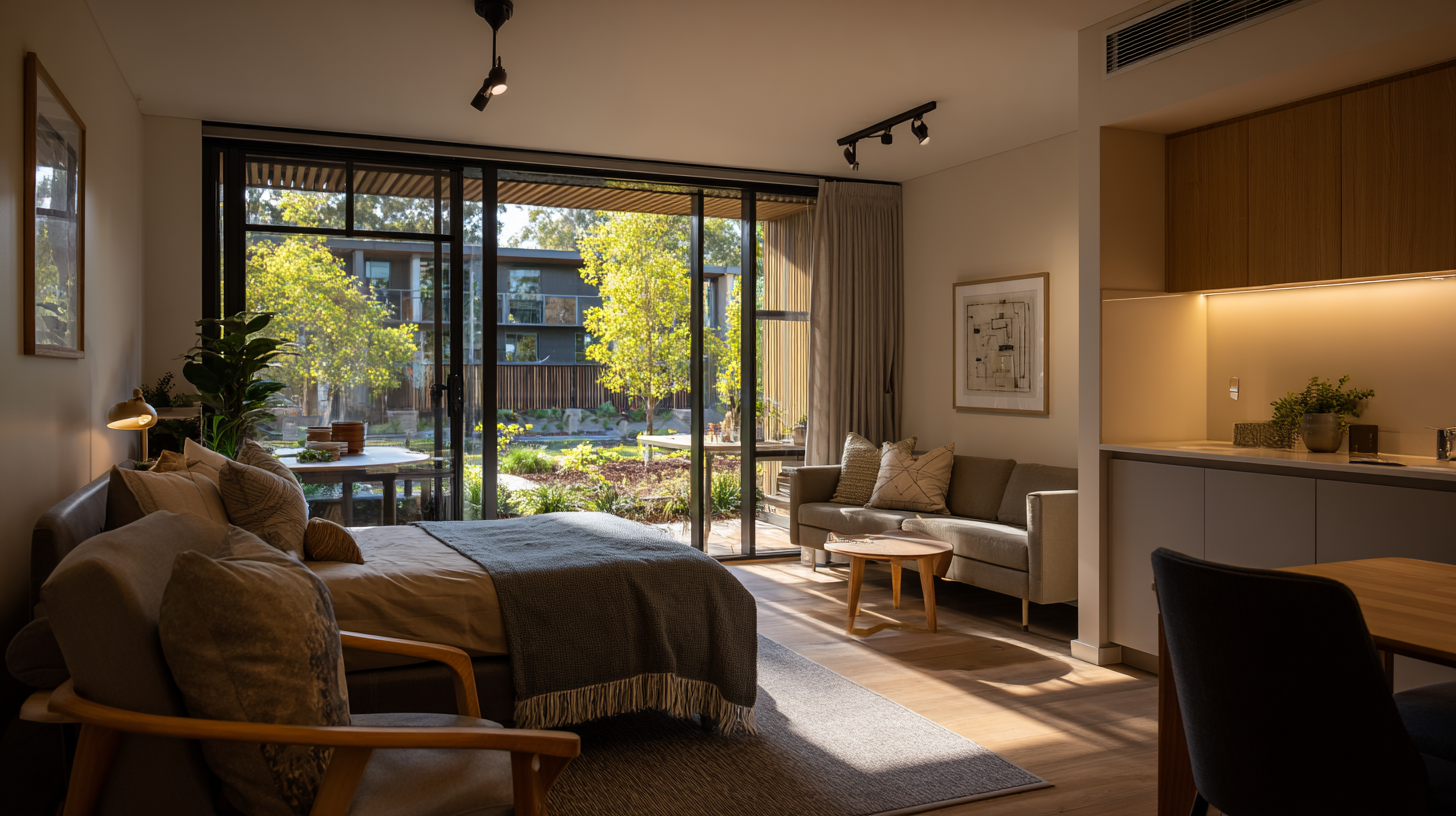
SDA design categories explained without the headache
SDA design categories help explain how a home has been built to support different needs. Here is the plain-English version of Improved Liveability, Fully Accessible, High Physical Support and Robust — without the building manual headache.
Applying for SDA Housing: Helpful Information to Include
Applying for Specialist Disability Accommodation can feel overwhelming, especially if you are trying to understand eligibility, evidence, housing goals and the NDIS process at the same time. This guide breaks down what SDA is, who it is designed for, and what information may help when starting an application or enquiry.